

Intermittent fasting has become a popular trend in the health and wellness world, with many claiming it can help with weight loss and improve overall health. But what is the truth behind intermittent fasting and its impact on weight loss?
What is Intermittent Fasting?
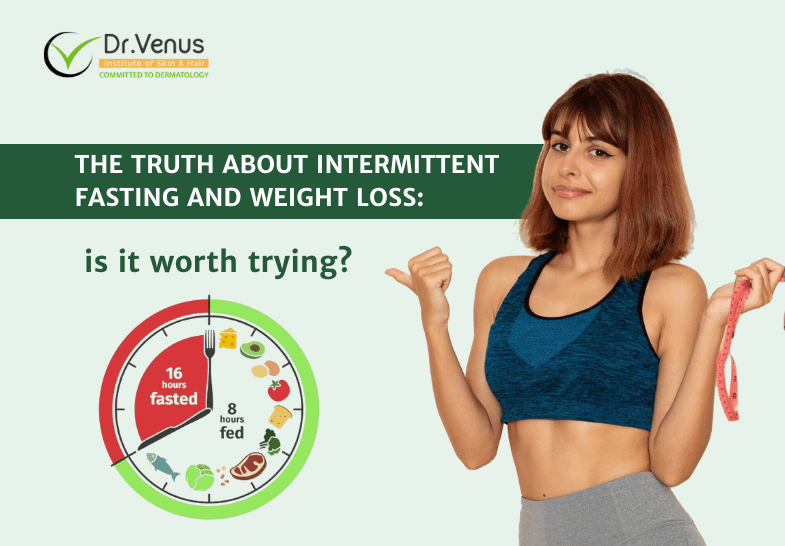
Intermittent fasting is a eating pattern that cycles between periods of fasting and eating. There are several different methods of intermittent fasting, including the 16/8 method, where you fast for 16 hours and eat during an 8-hour window, or the 5:2 method, where you eat normally for 5 days and restrict your calorie intake for 2 days.
How Does Intermittent Fasting Affect Weight Loss?
Intermittent fasting can be an effective tool for weight loss for several reasons. Firstly, it can help to reduce calorie intake by limiting the amount of time you have to eat. This can lead to a decrease in overall caloric intake, which is essential for weight loss.
Additionally, intermittent fasting can also help to improve metabolic health. By giving your body a break from constantly digesting food, it can have a positive effect on insulin sensitivity and hormone levels, which can aid in weight loss.
The Science Behind Intermittent Fasting and Weight Loss
Studies have shown that intermittent fasting can be an effective tool for weight loss. One study found that participants who followed an intermittent fasting schedule lost more weight and had a greater decrease in body fat compared to those who did not fast.
Another study showed that intermittent fasting can also help to preserve muscle mass while losing weight, which is important for overall health and metabolism.
Is Intermittent Fasting Safe?
Intermittent fasting can be safe for most people, but it may not be suitable for everyone. Those who are pregnant, breastfeeding, or have certain medical conditions should consult with a healthcare professional before attempting intermittent fasting.
It is also essential to ensure that you are still getting all the necessary nutrients and calories during eating periods to maintain overall health and well-being.
Conclusion
Intermittent fasting can be a useful tool for weight loss and improving metabolic health. However, it is essential to consult with a healthcare professional before starting any new diet or eating pattern, particularly if you have underlying medical conditions.
Remember that weight loss is a complex process that involves many factors, including diet, exercise, and lifestyle habits. Intermittent fasting can be a part of this process, but it is not a magic solution on its own.
Overall, intermittent fasting can be a safe and effective method for weight loss when done correctly and with caution. Be sure to listen to your body and make adjustments as needed to ensure your overall health and well-being.