

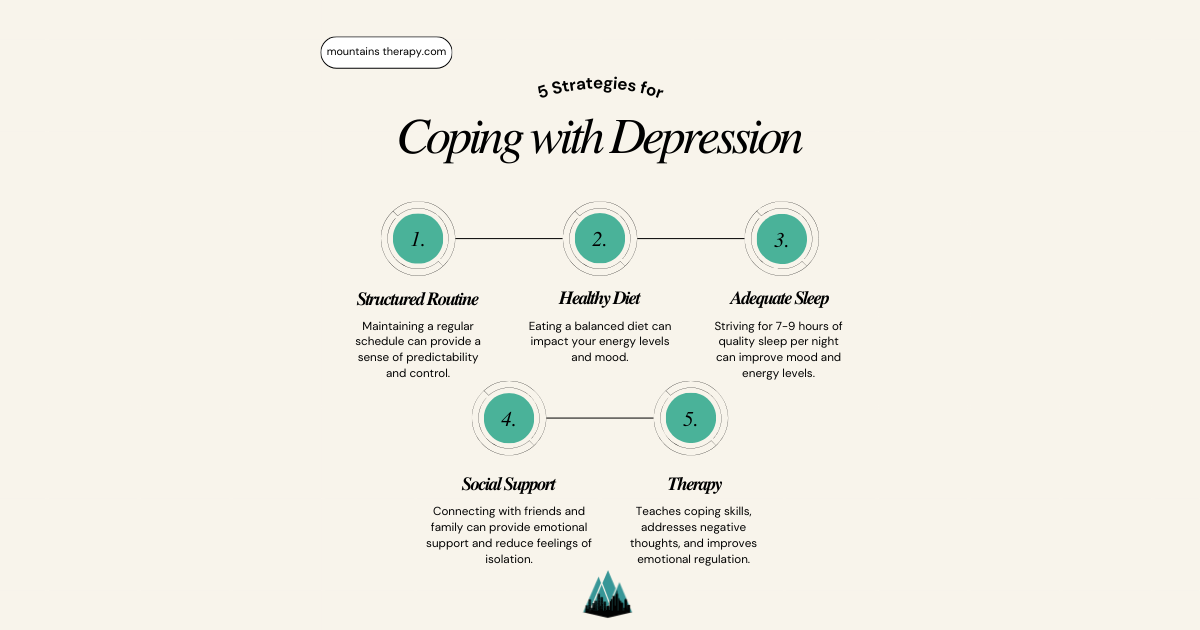
Depression is a serious mental health condition that affects millions of people worldwide. It can be debilitating and impact every aspect of a person’s life. However, there are strategies that can help individuals cope with depression and improve their mental well-being. In this article, we will explore some effective coping mechanisms that can make a difference in managing depression.
1. Seek Professional Help
One of the most important things you can do if you are struggling with depression is to seek professional help. Therapy, counseling, and medication can all be effective in treating depression. A mental health professional can provide you with the support and tools you need to navigate your emotions and develop healthy coping mechanisms.
2. Prioritize Self-Care
Self-care is essential when coping with depression. Make sure to prioritize activities that make you feel good, such as exercise, hobbies, and spending time with loved ones. Taking care of your physical and emotional well-being can help improve your mood and overall outlook on life.
3. Establish a Routine
Creating a daily routine can provide structure and stability when you are struggling with depression. Set goals for yourself and establish a schedule that includes regular meal times, exercise, and sleep. Having a routine can help you feel more in control and can improve your overall mental health.
4. Practice Mindfulness and Meditation
Mindfulness and meditation are proven techniques that can help reduce stress and promote relaxation. Taking a few minutes each day to focus on your breath and be present in the moment can help you feel more grounded and centered. Consider incorporating mindfulness and meditation into your daily routine to help cope with depression.
5. Stay Connected
Depression can often lead to feelings of isolation and loneliness. It’s important to stay connected with friends and family members who can provide support and companionship. Reach out to loved ones when you are feeling down and don’t be afraid to ask for help when you need it.
6. Challenge Negative Thoughts
Depression can cause negative thought patterns that can be damaging to your mental health. Practice challenging these thoughts and replacing them with more positive and realistic beliefs. Cognitive-behavioral therapy can be an effective tool in helping you identify and change negative thinking patterns.
7. Set Realistic Goals
When coping with depression, it’s important to set realistic goals for yourself. Break tasks down into smaller steps and celebrate your achievements along the way. Setting achievable goals can boost your self-esteem and provide motivation to keep moving forward.
8. Get Moving
Exercise has been shown to improve mood and reduce symptoms of depression. Aim to incorporate physical activity into your daily routine, whether it’s going for a walk, taking a fitness class, or practicing yoga. Find activities that you enjoy and make them a regular part of your self-care routine.
9. Practice Gratitude
Cultivating a sense of gratitude can help shift your perspective and focus on the positive aspects of your life. Keep a gratitude journal or take a few moments each day to reflect on the things you are thankful for. Practicing gratitude can help promote a more positive mindset and improve your overall well-being.
10. Be Kind to Yourself
Finally, remember to be kind to yourself when coping with depression. Acknowledge your struggles and give yourself permission to take things one day at a time. Treat yourself with compassion and understanding, and know that it’s okay to ask for help when you need it.
By implementing these coping strategies, individuals can better manage their depression and improve their overall quality of life. Remember that everyone’s journey with depression is unique, and it’s important to find what works best for you. Don’t hesitate to reach out for professional help if you need support in coping with depression.