

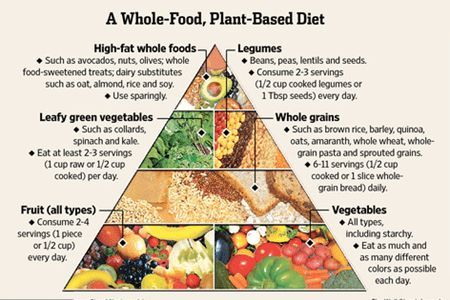
A plant-based diet is a diet that focuses on whole, minimally processed plant foods such as fruits, vegetables, whole grains, nuts, seeds, and legumes. It limits or excludes animal products like meat, dairy, and eggs. The main emphasis is on eating foods that come from plants and avoiding processed foods.
Benefits of a Plant-Based Diet
There are numerous benefits to adopting a plant-based diet. Some of the key benefits include:
Improved heart health: Plant-based diets have been shown to lower cholesterol levels and reduce the risk of heart disease.
Weight management: Plant-based diets are generally lower in calories and saturated fats, making them a great option for weight loss or maintenance.
Improved digestion: The fiber-rich nature of plant foods can help promote healthy digestion and reduce the risk of digestive issues.
Lower risk of chronic diseases: Plant-based diets have been linked to a reduced risk of developing chronic diseases like diabetes, cancer, and hypertension.
How to Start a Plant-Based Diet
Transitioning to a plant-based diet can seem daunting at first, but with the right approach, it can be a smooth and sustainable change. Here are some tips to help you get started:
1. Gradually incorporate more plant foods into your meals
Start by adding more fruits, vegetables, nuts, seeds, and whole grains to your meals. This can help you gradually reduce your intake of animal products while increasing your intake of plant foods.
2. Experiment with plant-based recipes
There are countless delicious plant-based recipes available online. Experiment with different flavors and ingredients to find new favorite dishes that are both nutritious and satisfying.
3. Get creative with your meals
Don’t be afraid to think outside the box and try new combinations of plant foods. Mix and match different ingredients to create meals that are diverse and delicious.
4. Listen to your body
Pay attention to how your body responds to the changes in your diet. If you’re feeling low on energy or experiencing digestive issues, make adjustments to ensure you’re getting all the nutrients your body needs.
Common Myths About Plant-Based Diets
There are several myths surrounding plant-based diets that can deter people from trying them. Here are a few common myths debunked:
1. Plant-based diets are deficient in nutrients
With careful planning, plant-based diets can provide all the essential nutrients your body needs, including protein, iron, calcium, and B vitamins.
2. Plant-based diets are expensive
While some plant-based specialty products can be pricey, the foundation of a plant-based diet – fruits, vegetables, grains, and legumes – are generally affordable and accessible.
3. Plant-based diets lack flavor
Plant-based diets can be incredibly flavorful and diverse. Experiment with different herbs, spices, and cooking techniques to elevate the taste of your plant-based meals.
Embarking on a plant-based diet can be a positive and transformative choice for your health and the environment. With the right information and support, you can successfully transition to a plant-based lifestyle and reap the benefits of this nutritious way of eating.