

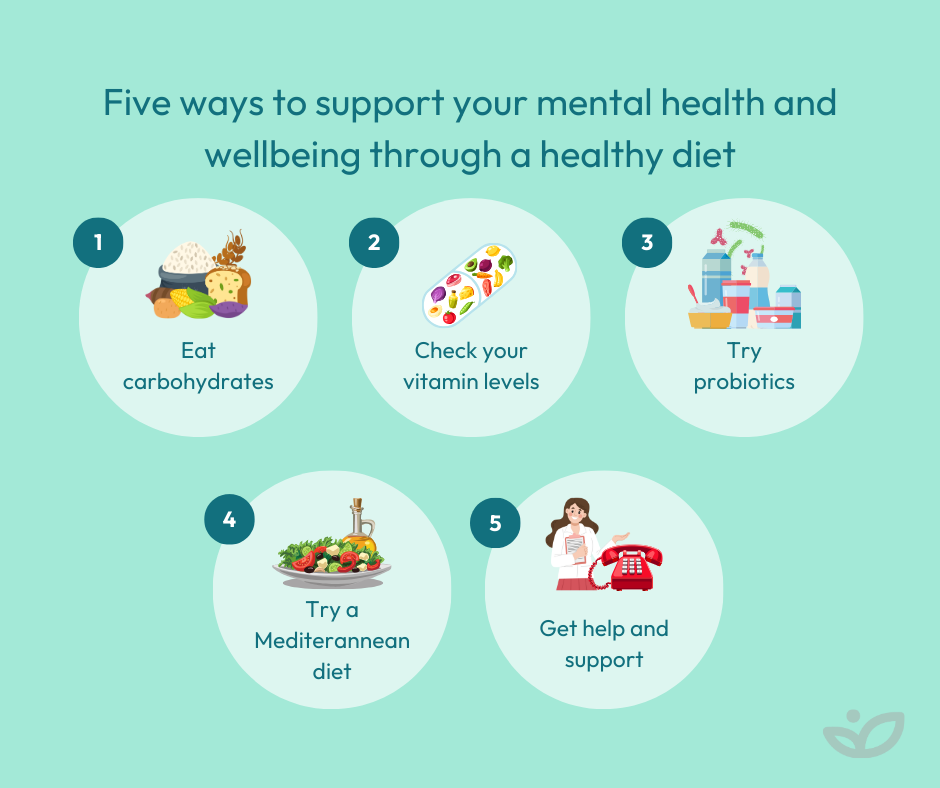
When we think about mental health, we often focus on factors such as stress, sleep, and exercise. However, one aspect that is often overlooked is the role of nutrition in promoting mental well-being. Research has shown that what we eat can have a profound impact on our mental health, affecting everything from mood and cognition to the risk of developing mental health disorders.
The Gut-Brain Connection
One of the key ways in which nutrition influences mental health is through the gut-brain connection. The gut is often referred to as our “second brain” because it is home to millions of neurons that communicate with the brain through the nervous system. What we eat can influence the composition of the gut microbiota, which in turn can affect brain function and mental health.
The Role of Nutrients
Certain nutrients have been found to be particularly beneficial for mental health. For example, omega-3 fatty acids found in fatty fish like salmon and nuts and seeds have been linked to a reduced risk of depression and anxiety. B vitamins, particularly B6, B12, and folate, play a crucial role in neurotransmitter synthesis and have been associated with improved mood and cognitive function.
Food and Mood
Have you ever noticed how your mood can be influenced by what you eat? Certain foods, such as those high in sugar and processed fats, can lead to fluctuations in blood sugar levels, which can in turn affect mood and energy levels. On the other hand, a diet rich in whole foods, such as fruits, vegetables, whole grains, and lean proteins, can support stable blood sugar levels and promote a more stable mood.
Probiotics and Mental Health
Probiotics, or beneficial bacteria found in fermented foods like yogurt, kefir, and kimchi, have also been studied for their potential impact on mental health. Research has shown that probiotics can help reduce symptoms of anxiety and depression by promoting the production of neurotransmitters like serotonin, which plays a key role in mood regulation.
Conclusion
In conclusion, nutrition plays a crucial role in promoting mental health and well-being. By paying attention to what we eat and making conscious choices to prioritize nutrient-dense foods, we can support our mental health and reduce the risk of developing mental health disorders. Remember, food is not just fuel for the body—it is also fuel for the mind.