

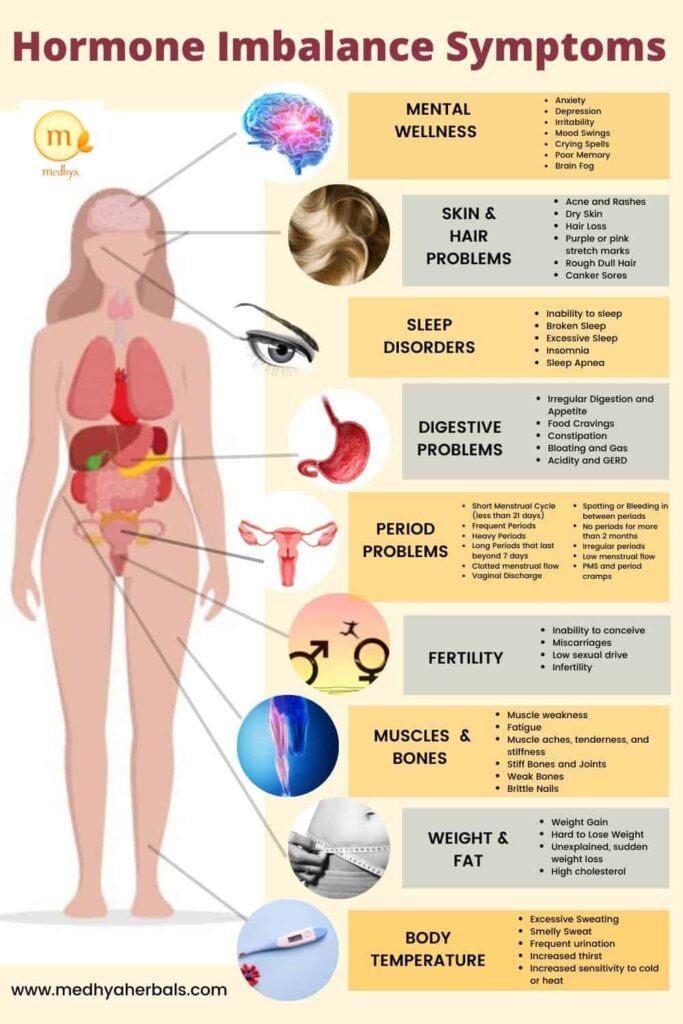
As women, our bodies go through a myriad of changes throughout our lives, many of which are driven by fluctuations in hormones. These hormonal changes can have a significant impact on our overall health and well-being. In this article, we will dive deep into the science behind hormonal changes in women and how they can affect various aspects of our lives.
What Are Hormones?
Hormones are chemical messengers that are produced by glands in the endocrine system and are responsible for regulating various bodily functions. In women, the primary hormones that play a role in hormonal changes are estrogen and progesterone, which are produced by the ovaries.
Puberty
One of the first major hormonal changes that women experience is during puberty. During this time, the body begins to produce higher levels of estrogen, which leads to the development of secondary sexual characteristics such as breast development and the onset of menstruation.
Menstrual Cycle
The menstrual cycle is a complex series of hormonal changes that occur every month in women of reproductive age. This cycle is regulated by a delicate balance of estrogen and progesterone, which control the release of an egg from the ovaries and prepare the uterus for pregnancy. Fluctuations in these hormones can lead to symptoms such as mood swings, bloating, and fatigue.
Pregnancy
During pregnancy, hormonal changes are incredibly important for the development and growth of the baby. Estrogen and progesterone levels increase significantly to support the pregnancy and prepare the body for childbirth. These hormonal changes can cause a range of symptoms, including morning sickness, fatigue, and mood swings.
Menopause
Menopause is a natural process that occurs in women usually in their late 40s or early 50s. During this time, the ovaries stop producing estrogen and progesterone, leading to the end of the menstrual cycle. This hormonal decline can cause a range of symptoms, including hot flashes, night sweats, and mood swings.
Managing Hormonal Changes
There are various ways to manage hormonal changes in women, depending on the specific stage of life. For example, hormonal contraceptives can help regulate the menstrual cycle and manage symptoms of PMS. Hormone replacement therapy can also be used to alleviate symptoms of menopause.
Conclusion
Overall, hormonal changes in women are a normal and natural part of life. By understanding the science behind these changes and knowing how to manage them, women can navigate through the various stages of their lives with confidence and ease.